Fire alarm inspections in Cayman: What should your service visit include?

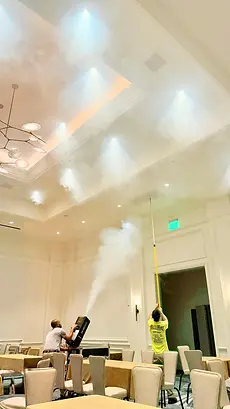
When a fire alarm sounds during a scheduled test, occupants hear one part of a much larger process. For the person responsible for the building, the questions continue after the sound stops: what was checked, did it work, and does anything still need attention?
Britthay Electric’s team attended Grove 1 for a yearly fire alarm inspection, an example of the routine work involved in maintaining these systems. For property owners arranging fire alarm inspections in Cayman, understanding what a service visit should deliver makes it easier to prepare for the appointment and act on its findings.
A useful inspection leaves a record that someone can return to months later and understand. It should explain the work completed, any limitations and the condition in which the system was left.
How fire alarm inspections in Cayman should be coordinated
Planning starts with the building’s operation. The contractor and property representative should agree on access, timing and who needs advance notice. Occupants need to know when testing will take place, while an off-site monitoring provider, where used, needs notification before and after testing to avoid an unnecessary response.
The conversation should also cover connected equipment. Depending on the installation, the alarm system may interface with doors, lifts or ventilation. Testing arrangements need to account for those connections and the people required to support the work. US Fire Administration guidance identifies notification and coordination with connected systems as key preparations for testing.
For the property manager, this means arranging more than entry through the front door. Locked rooms, tenant access and unavailable maintenance staff can prevent parts of the planned work from being completed.
Previous inspection reports are useful preparation too. They give the technician a starting point for checking unresolved issues and understanding changes since the last visit.
What should the technician actually check?
Fire alarm maintenance involves different activities. Visual inspection looks for conditions that could affect performance, such as damaged equipment, obstructions or changes to the building. Functional testing checks how equipment responds.
The scope depends on the installed system and the work due. It can include detection devices, manual alarm points, audible and visual notification equipment, the control panel and power supplies. Inspection and testing records should identify the relevant equipment rather than leave the owner guessing what “system checked” means.
There is also a distinction between checking a fire alarm’s connection to another building system and testing that other system’s complete operation. A visit involving an alarm interface does not automatically amount to a full lift or smoke-control test. Where wider testing is needed, its scope and coordination should be established separately.
For owners of fire alarm systems in Cayman, a useful question before booking is: “What does this visit cover, and is any related work being arranged separately?”
The report should show what happened
An annual fire alarm inspection should produce information that the building’s owner or manager can use. The record should identify the property, inspection dates, testing organisation and system details, alongside the relevant results. NFPA’s inspection and testing forms provide a structured approach to recording this information.
Device locations matter. If an item needs attention, the report should make it possible to find that item again. A description tied to a room, device identifier or clearly defined location is more useful than a general reference to “a detector”.
The report should also distinguish completed work from anything not tested. An inaccessible room or deferred test leaves a gap in the record; it should not disappear into an overall statement that the visit is complete. NFPA’s technical material specifically addresses documenting the extent of testing, including devices not tested.
For a property manager reviewing a visit such as Grove 1’s yearly inspection, this is the practical value of documentation: it turns an appointment into a record of what has been established and what still needs follow-up.
Findings need an explanation and a next step
A fire alarm inspection report should help the owner understand the significance of a finding. Is equipment failing to operate? Is further investigation needed? Was an issue corrected during the visit, or does it remain outstanding?
Unresolved deficiencies should be communicated in writing. Where system protection is impaired, that requires attention through the applicable impairment procedures, rather than being treated as an ordinary maintenance note.
The follow-up conversation should establish who will arrange the work, whether access or replacement parts are needed, and how completion will be confirmed. Owners should also ask whether repairs and any subsequent testing are included in the original service scope or require separate approval.
This is where a clear report helps with everyday building management. It gives the person approving expenditure enough information to understand what the proposed work addresses.
What happens after the visit?
The handover should explain the system’s status and any outstanding limitations. Those notified about testing should be told when it has ended, including the monitoring provider where applicable.
Keep the fire alarm inspection report with the building’s system records, and add subsequent repair and testing documentation. That history helps the next technician and gives the property manager a way to track unresolved items. Equipment inventories and identifiable testing records are central to demonstrating which devices have been checked.
The next appointment should reflect the system’s actual maintenance schedule. An annual visit does not mean every component or activity follows the same yearly interval; NFPA guidance distinguishes inspection and testing frequencies for different equipment.
It is also important to distinguish the contractor’s service visit from a Cayman Islands Fire Service building inspection. CIFS’s Fire Prevention Unit carries out inspections and code-compliance work. A contractor’s alarm report documents its service scope; it should not be presented as approval of the building’s overall fire safety.
Britthay Electric provides fire alarm maintenance and testing in the Cayman Islands. To discuss a service visit, contact the team with your property details, any known system issues and your latest inspection report, if available. Those details help establish what the next visit needs to address.


Comments