Generator load testing in the Cayman Islands: Your generator started, but can it carry the load?

The generator starts during its scheduled exercise cycle. It runs for several minutes. There are no warning lights.
Everything appears ready.
But depending on how the system is configured, a routine exercise cycle may run the generator without transferring the property’s electrical load.
The generator has demonstrated that it can start and run. It has not necessarily demonstrated that it can carry the property’s required load or that the complete backup-power system will respond correctly during an outage.
Starting is an important check. It is not always the complete test.
What is a generator exercise cycle?

Many standby generators are programmed to start automatically at scheduled intervals.
An exercise cycle can help keep internal components moving, circulate fluids and allow the generator controller to perform basic operational checks. It may also reveal an immediate starting problem, battery concern or active controller alarm.
Exercise settings vary by generator model and installation. Some generators exercise without transferring the property’s electrical load, while others may be configured differently.
A successful exercise cycle is therefore a positive sign, but it may not confirm that the generator can:
Carry the property’s required electrical load.
Maintain stable voltage and frequency under demand.
Respond correctly when large equipment starts.
Operate without overheating or protection trips.
Transfer power through the automatic transfer switch.
Support the equipment the property depends on during an outage.
What is generator load testing in the Cayman Islands?
Generator load testing evaluates how the equipment performs while supplying an electrical demand.
Depending on the generator and the purpose of the test, this may involve using an appropriate portion of the property’s electrical load or connecting the generator to a controlled external load bank.
During the test, a qualified technician can monitor how the generator responds as demand is applied. This may include checking:
Voltage and frequency stability.
Engine and cooling-system performance.
Fuel delivery under sustained demand.
Controller alarms and protective devices.
The response to motors, pumps or compressors starting.
Electrical connections and operating temperatures.
The generator’s ability to support the planned load.
The purpose is not simply to make the generator work harder. It is to confirm that the system performs correctly under conditions that more closely represent a real outage.
Exercise cycle, transfer test or load-bank test?
These tests answer different questions.
Test | What it checks | What it may not prove |
Exercise cycle | Confirms the generator can start and run through its programmed routine | May not test the property’s load or transfer switch |
Functional transfer test | Checks the sequence between utility power, generator start and the automatic transfer switch | May not apply the generator’s full planned load |
Load-bank test | Applies a controlled load while technicians monitor generator performance | May not test every building circuit unless included in the test plan |
The right test depends on the generator, the property and the equipment that must remain operational.
A residential generator supplying selected circuits will not necessarily require the same testing plan as a commercial system supporting air-conditioning, refrigeration, pumps, communications or other essential equipment.
What can work during an exercise cycle but fail under load?
Some generator problems only become apparent as electrical demand increases.
A generator may start and run lightly loaded but experience:
Restricted fuel delivery under sustained demand.
Cooling problems as operating temperature rises.
Unstable voltage or frequency.
Protective devices tripping as load increases.
Problems when large motors or compressors start.
Electrical connections heating under load.
A mismatch between the generator’s capacity and the property’s current requirements.
Control or communication problems involving the automatic transfer switch.
This does not mean that every generator needs the same type of test or the same testing schedule.
Testing should reflect the manufacturer’s recommendations, the generator’s application, its operating history and the consequences of losing backup power.
The generator is only one part of the system

The generator engine can run perfectly while a fault elsewhere prevents backup power from reaching the property.
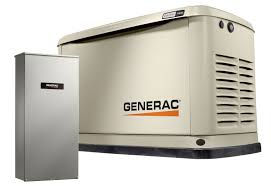
When normal utility power is interrupted, the automatic transfer switch (ATS) typically detects the supply problem and signals the generator to start.
Once the generator output has stabilised, the ATS transfers the selected electrical load from utility power to generator power.
When the utility supply returns and stabilises, the system transfers the load back and allows the generator to complete its shutdown sequence.
The generator, controller, cables, protective devices and transfer switch must all respond correctly.
Read Britthay’s guide to how an automatic transfer switch works for a closer look at this sequence.
Why generator testing matters for Cayman properties
Generators in the Cayman Islands operate in demanding environmental conditions.
Heat, humidity, salt exposure and long periods of standby operation can affect electrical and mechanical components. Cayman properties may also have significant electrical demand from air-conditioning, pumps, refrigeration and other equipment.
The property’s requirements can change over time.
A larger air-conditioning system, additional refrigeration, a new pool pump or other equipment may mean the generator is being asked to support a different load from the one considered when it was installed.
Generator testing should therefore consider both the equipment and the property it protects.
When should a generator be tested?
The testing schedule should be based on the generator manufacturer’s recommendations and the needs of the installation.
Additional testing may be appropriate:
After a new generator or transfer switch is installed.
Following significant electrical modifications or repairs.
When the property’s connected equipment has changed.
After a prolonged period without operation under load.
When an alarm or failed exercise cycle has occurred.
Before a period when dependable backup power will be particularly important.
The best time to investigate a problem is during a planned test, when there is time to diagnose and correct it properly.
Britthay’s generator-maintenance guide explains the other checks that should form part of a complete inspection.
Does every generator test require a load bank?
No.
Some installations can be assessed using a carefully planned functional transfer test with an appropriate property load. Other systems may require a controlled load-bank test to reach the necessary test conditions safely.
A qualified generator technician should determine the appropriate method based on the equipment, installation and purpose of the test.
Is a green status light enough?
A normal controller status and a completed exercise cycle are both positive signs.
They do not guarantee that the complete backup-power system will perform correctly under load.
Generator readiness depends on the battery, starting system, fuel supply, engine, alternator, controls, protective devices, cables, automatic transfer switch and the equipment expected to operate during an outage.
All of those parts must work together.
Test the system before you need the system
A generator that starts has passed an important first check.
The more important question is whether it can provide stable power to the equipment your property depends on and whether the transfer system can deliver that power correctly.
Britthay provides generator installation, maintenance and testing services for residential and commercial properties throughout the Cayman Islands.
Book a generator consultation before you need to rely on the system.


Comments